Who We Serve | Commercial Roofing in Lantana, FL | Crosstown Roofing
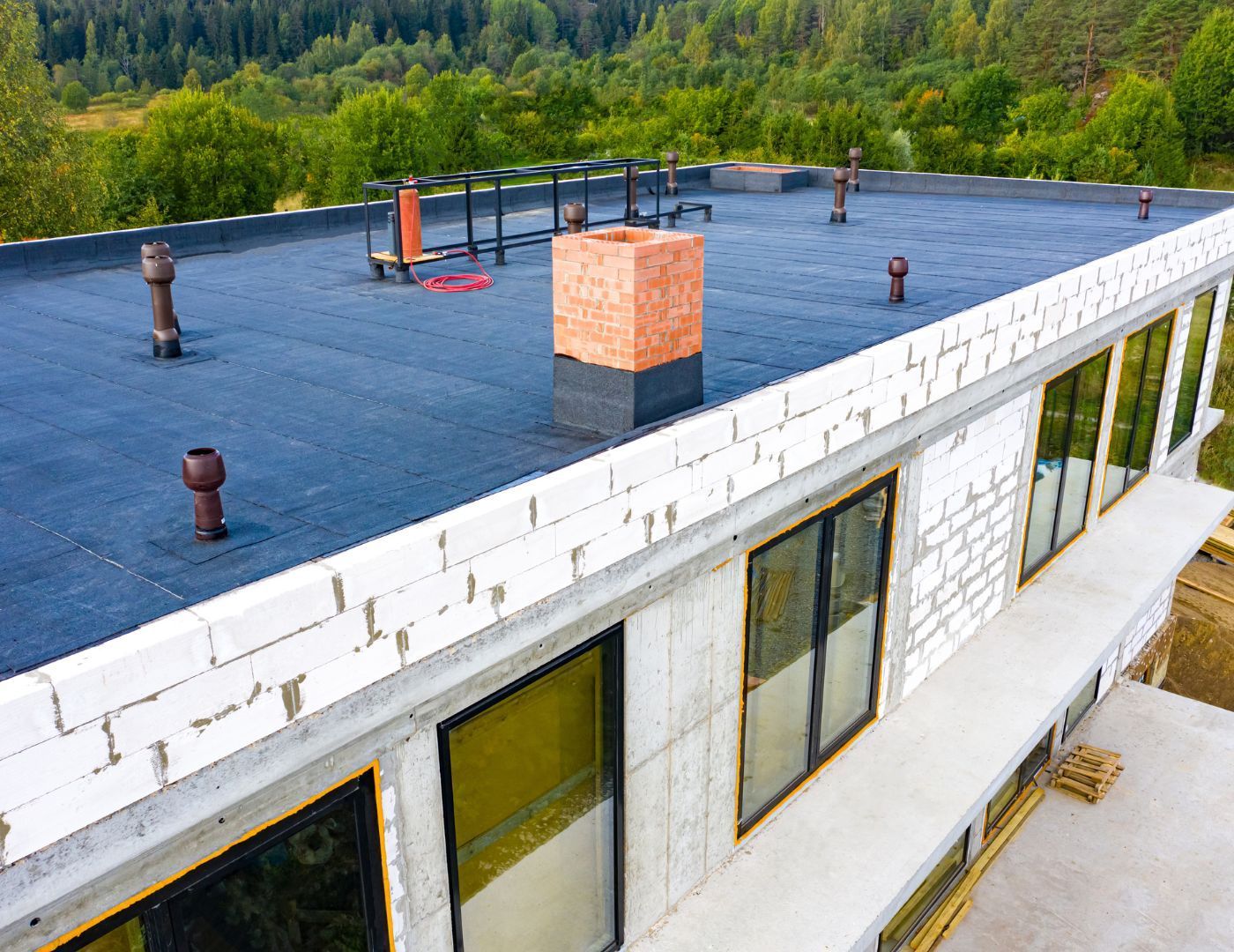
Roofing project photographed for Crosstown Roofing in Palm Beach County, Florida
Commercial Roofing Relationships

Who We Serve Across South Florida

Commercial roofing decisions rarely belong to one title. Crosstown Roofing works with the people protecting the asset, answering occupants, approving budgets and keeping work moving—so the roof scope makes sense from the rooftop to the meeting room.

Property Owners Property Managers Condo & HOA Boards Builders & Facility Teams
The roof may be the same. The responsibility is not. A useful roofing plan answers the pressure attached to your role.
Protect The Asset
Control The Disruption
Support The Decision
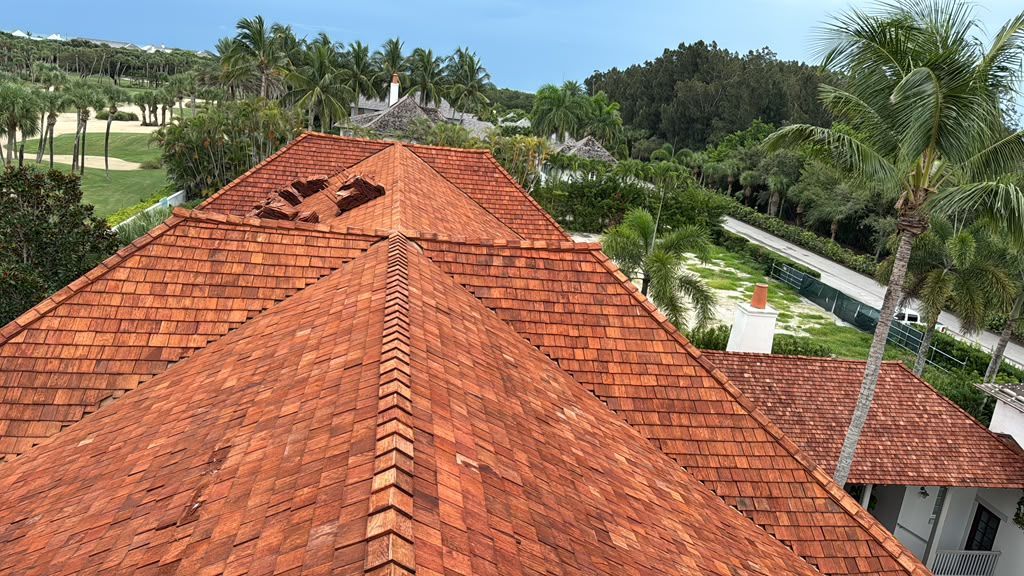
Roofing work photographed for Crosstown Roofing in South Florida
A roofing plan built for the people carrying the decision
Start With The Person Accountable

The Right Plan Fits The Decision.

A property owner may be weighing capital exposure. A manager may be sorting through leak calls from several occupants. A board may need a recommendation it can explain in a meeting. A contractor may need roofing work to land cleanly inside a larger construction schedule.

Those are not side issues. They shape how the roof should be evaluated, how the scope should be organized, how access should be planned and what information needs to survive after the immediate project is over.

A strong roofing scope gives the next person enough context to approve, schedule or maintain the work without rebuilding the story from scratch.

The People Behind The Property

Different Roles. Different Pressure.

The roofing work may happen above the building, but the consequences land with the people responsible for budgets, occupants, operations and project delivery.

01
Capital Exposure

Property Owners & Asset Managers

You need to know whether the roof problem is isolated, spreading or becoming a capital project. The recommendation should connect condition, urgency and building impact—not just produce a number.

  • Repair, restoration or replacement context
  • Roof-area priorities and timing
  • Scope clarity for budget decisions
02
Daily Coordination

Property Managers

Leak reports arrive through units, tenants, maintenance staff and vendors. We help organize those reports around the building and roof areas so the response is easier to communicate and track.

  • Building and roof-zone organization
  • Access, parking and occupant planning
  • Clear points for owner approval
03
Shared Decisions

Condo & HOA Boards

A board needs enough roofing detail to make a defensible decision without forcing every director to become a roofer. The scope should separate observed conditions, recommended work and property-wide considerations.

  • Meeting-ready explanations
  • Common-area roof considerations
  • Options tied to actual conditions
04
Many Occupants

Multifamily Owners & Operators

One roof issue can affect several homes, buildings or resident schedules at once. The plan needs to account for repeated reports, shared roof geometry and work that may need to move in phases.

  • Building-by-building priorities
  • Resident and parking coordination
  • Phased repair or replacement planning
05
Operational Continuity

Business Owners & Facility Teams

The roof problem cannot be separated from the work happening below it. Entrances, equipment, inventory, employees and customer access all belong in the project conversation.

  • Occupied-area protection
  • Work-hour and delivery coordination
  • Attention to sensitive interior areas
06
Schedule & Handoffs

General Contractors & Developers

Roofing intersects with framing, deck readiness, wall systems, penetrations and project access. Those conditions need to be settled early enough to avoid patchwork at the end of the schedule.

  • Roof-plan and field-condition review
  • Trade and penetration coordination
  • Sequencing around the larger build
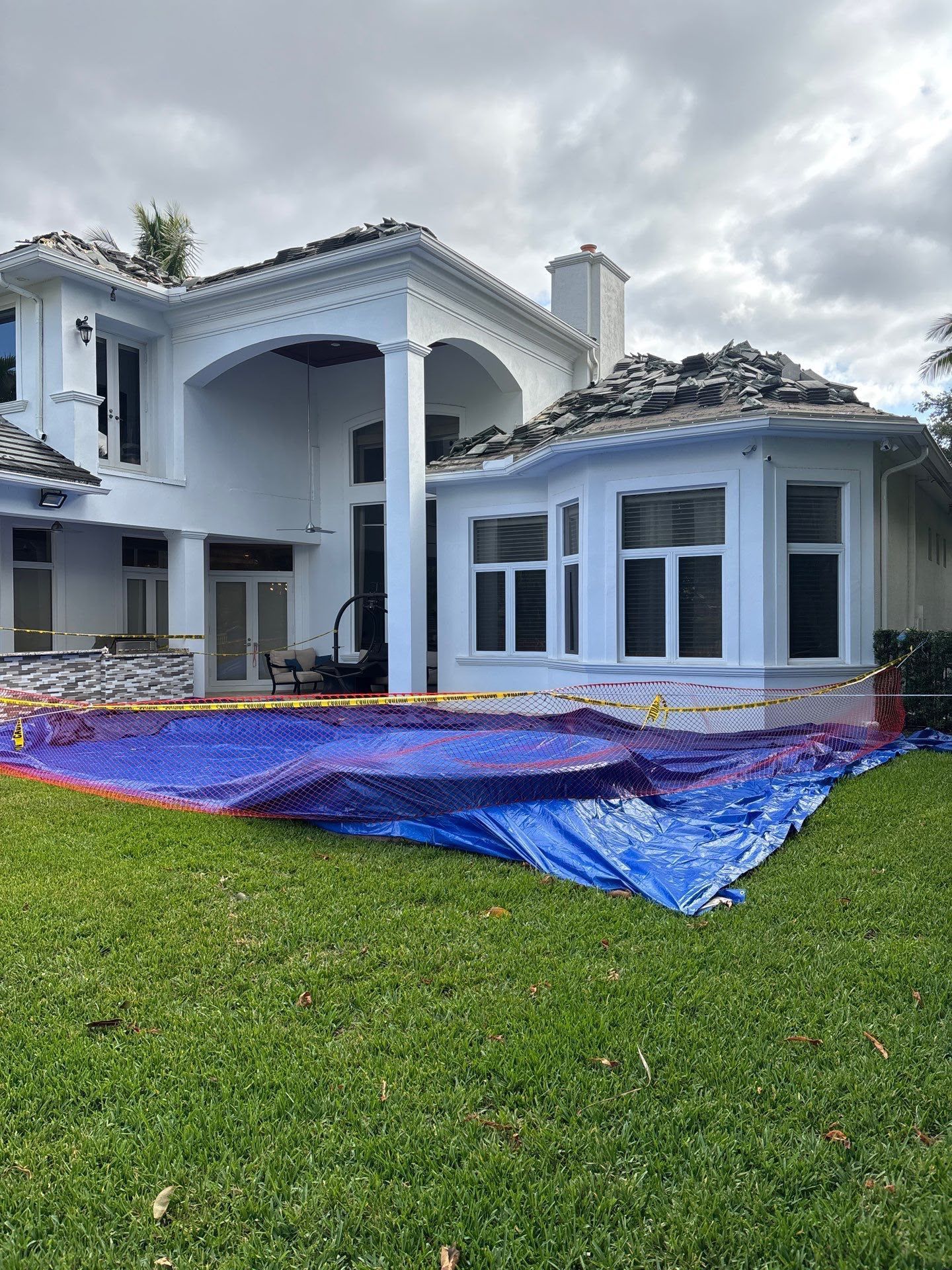
Roof detail photographed for Crosstown Roofing in Palm Beach County
Commercial Roofing Without The Translation Gap

Fewer Surprises Reach Your Desk.

A roofing explanation that only makes sense to another roofer is not enough. The people responsible for the property need to understand what failed, what it affects, what needs attention and what could change the approved scope.

That means organizing the work around real locations and real operating constraints—not handing over a pile of disconnected photos and expecting someone else to turn them into a plan.

Roof areas labeled in plain language
Access and material staging considered
Occupant impacts discussed early
Scope changes surfaced before they spread
Progress tied to buildings or roof zones
Closeout information kept usable
What The Roofing Plan Must Answer

Four Questions Drive The Scope.

The title on your business card matters less than the decision sitting in front of you. A useful roof plan brings these four questions into focus.

Condition

What Is Actually Happening On The Roof?

The visible symptom needs to be connected to the roof area, assembly, drainage path or detail responsible for it. Otherwise, the scope begins with an assumption.

Consequence

What Sits Below The Problem?

A leak above a storage room carries a different operating risk than one above electrical equipment, occupied units, customer areas or finished office space.

Timing

What Needs Action Now?

Some conditions call for immediate protection. Others belong in a planned repair, coating, phased replacement or future capital budget. The scope should distinguish urgency from preference.

Coordination

Who Needs Notice, Access Or Approval?

The project runs more cleanly when decision-makers, onsite contacts, occupants and other trades are identified before roofing activity reaches their part of the property.

Commercial Property Settings

Properties Do Not Operate The Same.

The roof assembly matters. So does everything that has to keep functioning while the roof is evaluated, repaired or replaced.

01 / Multi-Unit

Apartments, Condominiums & Townhomes

Shared roof areas, repeated unit reports, resident communication and building-by-building priorities require more structure than a one-address repair call.

02 / Professional

Offices & Occupied Workplaces

Interior finishes, employees, clients and rooftop equipment make access and work-zone planning part of the roofing scope.

03 / Public-Facing

Retail & Mixed-Use Properties

Storefront hours, pedestrian routes, parking and multiple occupants can turn a simple schedule into a coordination problem if they are ignored.

04 / Large Footprint

Warehouses & Light Industrial Buildings

Broad roof areas, drainage points, penetrations and inventory below the deck make roof-zone mapping and moisture tracing especially important.

05 / Shared Ownership

Association & Community Properties

Common-element responsibility, board approvals and resident expectations call for recommendations that remain understandable outside the roofing trade.

06 / Active Construction

New Builds, Additions & Repositioning

Roof geometry, deck readiness, wall transitions and other trades must line up before finished roofing closes access to the details underneath.

A Commercial Roofing Conversation

Align. Assess. Act.

The best starting point is not a product. It is a shared understanding of the property, the roof concern, the operating constraints and the decision that needs to be made.

Identify The Decision Team

Establish the owner, manager, board, onsite contact or construction lead who needs information, access control and approval visibility.

Map The Property And Roof Areas

Connect complaints, interior locations, roof zones, drains, equipment and access points so the investigation follows the building instead of guesswork.

Evaluate Condition And Urgency

Separate immediate exposure from longer-range work and determine whether the condition points toward repair, restoration, maintenance or replacement.

Build A Usable Scope

Organize the work around locations, details, assumptions and property impacts so the person approving it understands what the project is meant to solve.

Coordinate Work And Closeout

Plan notices, staging and onsite communication, then leave the project record organized enough to support future maintenance and roof decisions.

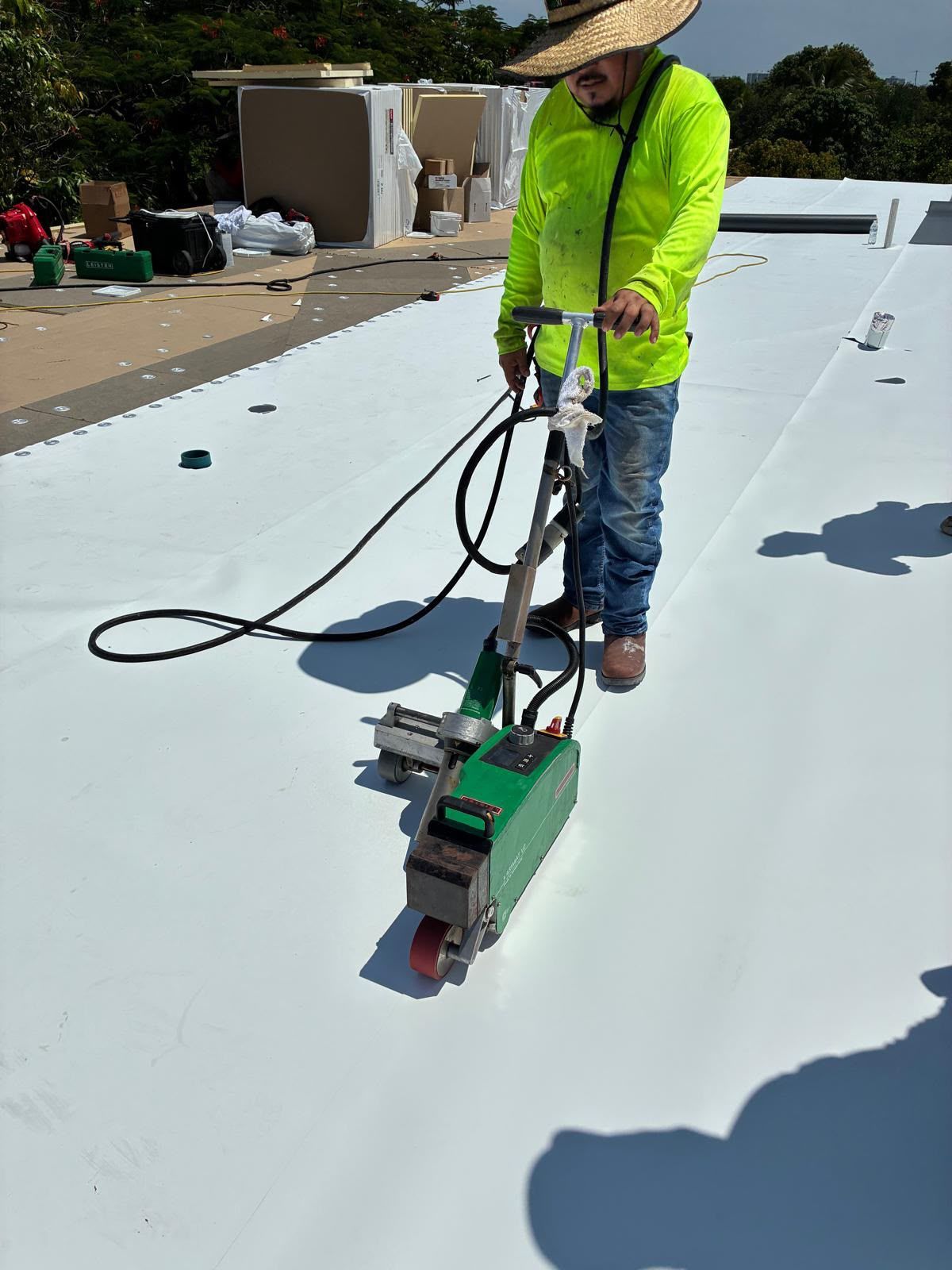
Roofing work in progress photographed for Crosstown Roofing in Palm Beach County, Florida
Crosstown Roofing project serving commercial properties across Palm Beach County, Florida
Who We Serve Across Palm Beach County

Local Roofs. Real Operating Pressure.

South Florida commercial roofs work through intense ultraviolet exposure, humid air, fast downpours and wind-driven rain while rooftop equipment, drains, penetrations and occupied spaces add their own points of risk.

Crosstown Roofing serves owners, managers, associations, multifamily operators, facility teams and construction partners from Lantana throughout Palm Beach County with roofing conversations grounded in the property they are responsible for.

Lantana Lake Worth Beach West Palm Beach Boynton Beach Delray Beach Boca Raton Wellington Greenacres Palm Springs Royal Palm Beach Palm Beach Gardens Jupiter
Who We Serve FAQs

Questions From Property Teams.

Commercial roofing gets easier to manage when the contractor understands who owns the decision, who runs the property and who will live with the work.

Can Crosstown Roofing work directly with a property manager or facility contact?

Yes. A commercial roofing project can be coordinated through the person responsible for day-to-day access, occupant communication and onsite decisions. The approval path and primary contacts should be identified early so field questions reach the right person.

Can roof findings be organized by building or roof area?

When a property contains several buildings, additions or distinct roof zones, organizing the condition and proposed work by location makes the scope easier to review and preserves a more useful record for future maintenance.

How can a condo or HOA board evaluate a roofing recommendation?

The recommendation should connect observed roof conditions to the proposed work, explain what is urgent, identify property-wide impacts and distinguish known scope from conditions that may remain concealed until work begins. That gives the board a clearer basis for discussion and approval.

Can commercial roofing work be planned around occupied spaces?

Occupied-site planning can account for entrances, parking, deliveries, residents, tenants, staff, inventory and sensitive interior areas. The exact controls depend on the roof scope and property, so those constraints should be discussed before scheduling.

Does Crosstown Roofing work with general contractors and developers?

Crosstown Roofing can discuss roofing for new construction, additions and active redevelopment projects. Deck readiness, penetrations, wall transitions, access and trade sequencing should be reviewed against the specific project before the roofing schedule is finalized.

How do we know which commercial roofing service fits the property?

The existing condition and objective should lead the decision. A defined failure may call for repair, a serviceable roof may be considered for coating or maintenance, and widespread deterioration may point toward replacement. Multi-building residential properties also require their own occupied-site and phasing considerations.

Where does Crosstown Roofing serve commercial properties?

Crosstown Roofing is based in Lantana and serves commercial properties and project teams throughout Palm Beach County. Call 561-221-2980 to describe the property, the roof concern and the decision your team needs to make.
Commercial Roofing Starts With Context

Put The Right People Around The Roof.

Tell us who is responsible, what the property is experiencing and what decision needs to be made. We will start with the roof, the site and the people who need the answer.