Roof Condition Assessment
Roof surfaces, seams, flashings, penetrations, drainage points, edges and visible interior evidence are reviewed together so the recommendation reflects the full leak path.
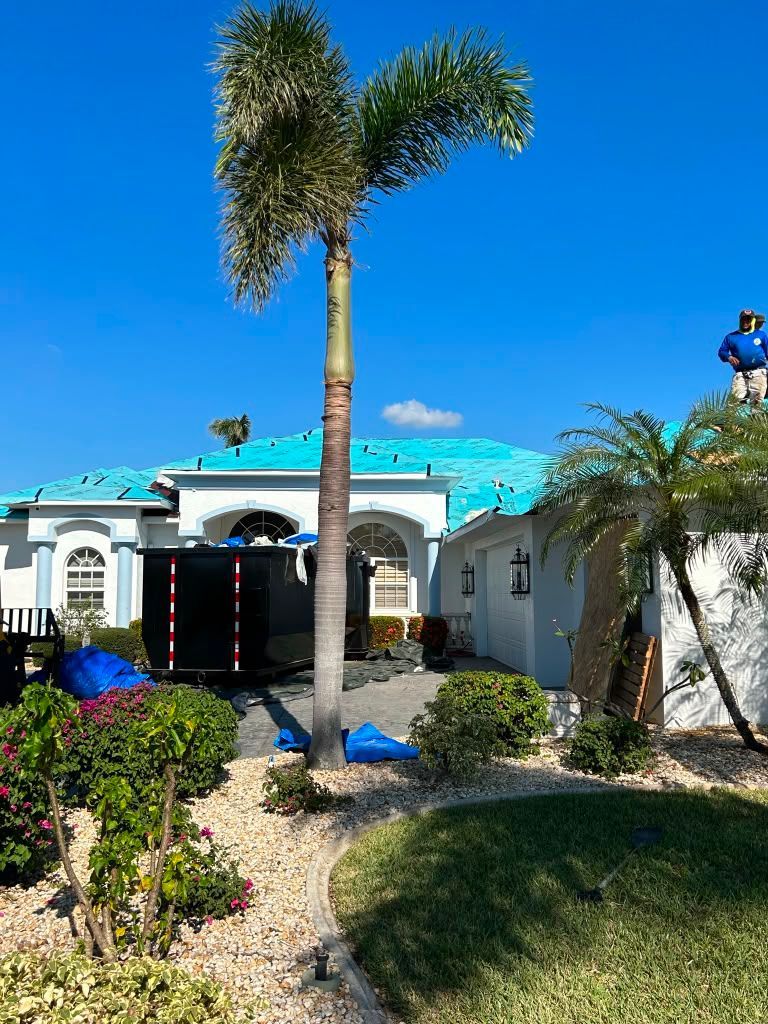
A commercial roof has to protect more than square footage. Crosstown Roofing evaluates roof surfaces, drainage, penetrations, leak patterns and access requirements, then builds a practical scope around the property and the work happening inside it.
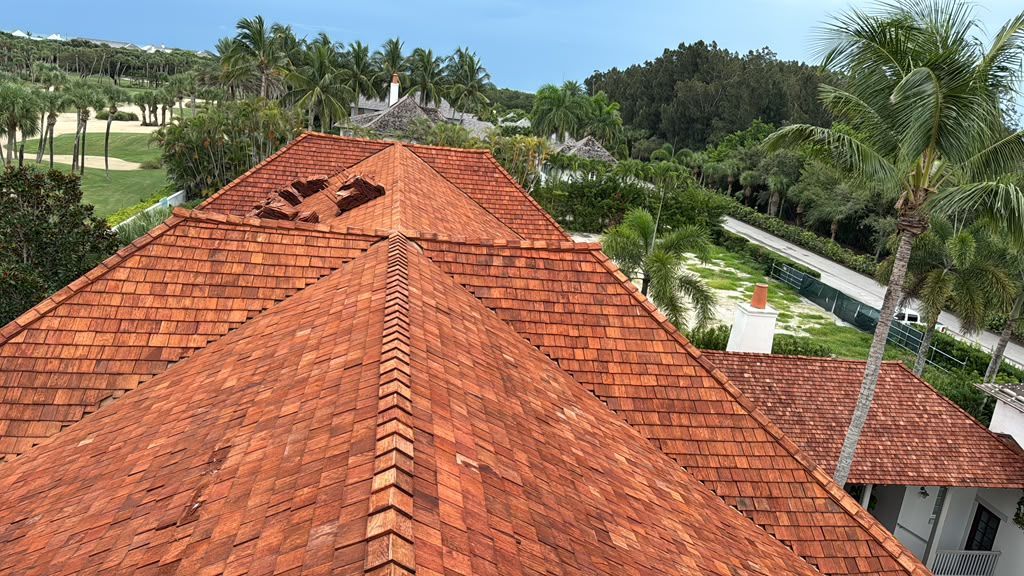
For an occupied commercial property, the roof is part of the operating system. Water intrusion can interrupt tenants, expose inventory, reach electrical or mechanical areas and force staff to react before anyone knows where the opening began.
Crosstown Roofing starts by understanding how the building is used, how the roof drains and where previous problems have occurred. The recommendation should connect those conditions to a repair, maintenance or replacement plan—not default to the largest scope.
A useful commercial roofing plan identifies the active problem, the vulnerable details around it and the work that can be scheduled before the next failure disrupts the property.
Each scope answers a different question: what is failing now, what is likely to fail next and what level of work fits the roof's remaining condition.
Roof surfaces, seams, flashings, penetrations, drainage points, edges and visible interior evidence are reviewed together so the recommendation reflects the full leak path.
Targeted work for punctures, open seams, damaged flashings, failed edge details and other defined conditions when the surrounding roof can still support a focused correction.
When age, moisture history or widespread deterioration makes isolated work less dependable, the roof can be scoped for phased or complete replacement around access and operations.
Routine attention to drains, debris, sealants, penetrations and high-traffic areas helps small defects get addressed before they become interior disruptions.
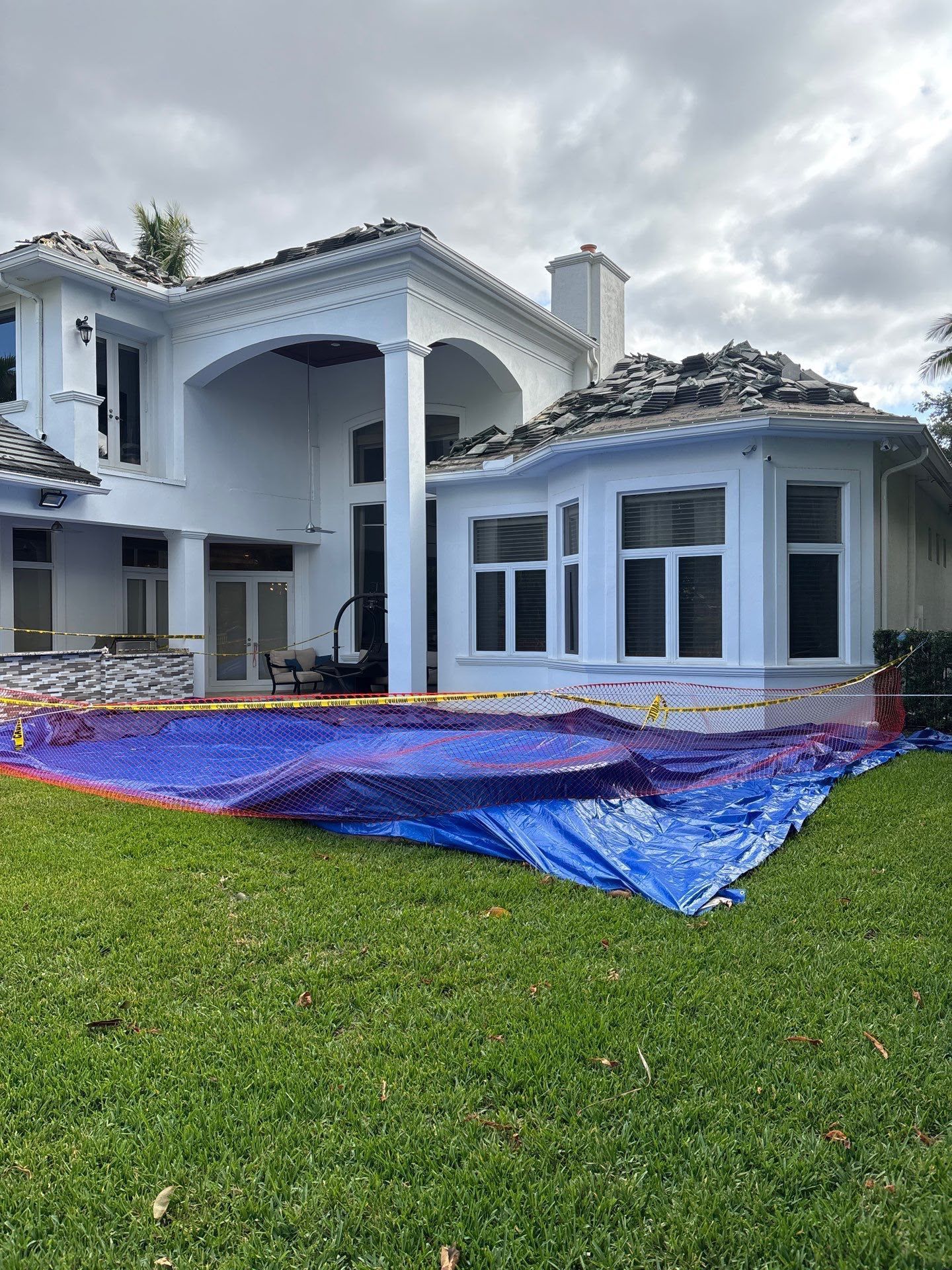
Large roof fields often look simple from the ground. The difficult work is around curbs, drains, scuppers, parapets, edge metal, wall transitions, rooftop equipment and every opening that interrupts the roof assembly.
Those details handle concentrated runoff, movement and foot traffic. Crosstown Roofing traces how water can enter and travel before recommending work, because patching the ceiling-side symptom leaves the roof-side path unchanged.
Roof work should account for the people, equipment, access routes and schedules below it. The construction plan matters as much as the repair detail.
Roof access, deliveries, parking, loading areas and tenant entrances should be mapped before work begins so the project does not create avoidable conflicts at ground level.
Inventory, finished ceilings, electrical rooms, mechanical spaces and occupied areas may require specific sequencing or temporary protection while roof openings and repairs are addressed.
Roof zones, forecast windows, building hours and the urgency of each condition can shape the order of work without losing sight of the full repair or replacement plan.
A defined process turns scattered leak reports and roof concerns into a scope that property owners and managers can evaluate.
Known leaks, previous repairs, roof age, occupancy concerns and upcoming property plans provide context before the roof is evaluated.
Roof fields, seams, transitions, penetrations, edges, drains and visible interior evidence are examined as connected parts of one water-control system.
Active openings and conditions that can worsen quickly are distinguished from maintenance items and larger capital work that can be scheduled deliberately.
The scope defines roof areas, details, access, property protection, sequencing and the practical boundaries between repair, maintenance and replacement.
Finished areas, remaining observations and next maintenance priorities are reviewed so the property team knows what was addressed and what still deserves attention.
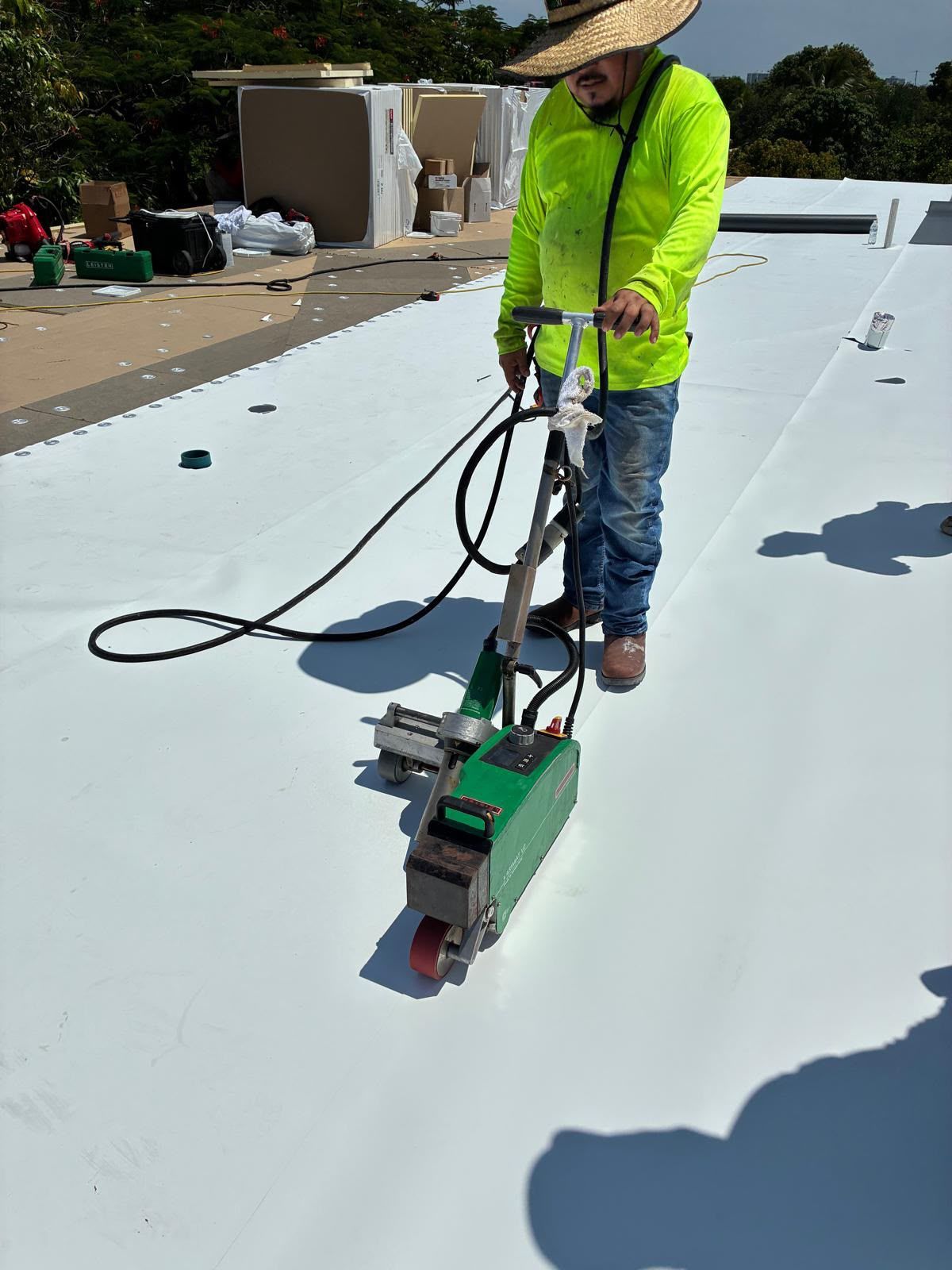
Commercial roofs in Palm Beach County face intense ultraviolet exposure, long periods of heat, sudden downpours and wind-driven rain. Low-slope areas also depend on clear drainage and sound transitions around rooftop equipment, walls and edges.
Crosstown Roofing serves commercial properties from Lantana throughout surrounding communities with scopes shaped around the building's roof layout, occupancy, access and current condition.
A commercial roof decision should account for the building, the roof system and the cost of letting a known defect continue.
Water can move along decking, insulation, structural members or roof layers before it becomes visible inside. A useful evaluation compares the interior evidence with drains, seams, curbs, penetrations, walls and roof areas that sit above or up-slope from the reported leak.
No. A single leak may come from a limited opening that can be repaired. Replacement becomes a stronger consideration when defects are spread across the roof, repairs keep moving to new areas or the surrounding assembly no longer provides a dependable base for localized work.
Blocked drainage, settled roof areas, damaged insulation, inadequate slope or changes around drains and scuppers can allow water to remain after rainfall. The cause needs to be identified before treating the standing water as a surface-only problem.
Often, the work plan can account for occupied areas, deliveries, customer access and sensitive operations. The amount of flexibility depends on the roof condition, the required materials, weather exposure and whether an active opening needs immediate attention.
It should identify the roof areas involved, observed conditions, proposed repair or replacement methods, drainage and penetration details, access needs, property protection, exclusions and the closeout expectations. A vague square-foot price does not explain how difficult roof details will be handled.
Maintenance creates opportunities to clear drainage paths, review vulnerable details, address open seams or failing sealants and document changes between visits. It cannot eliminate every leak, but it can keep preventable defects from sitting unnoticed until the next heavy rain.
Replacement may be more practical when deterioration affects multiple roof areas, moisture problems keep returning, the repair history is growing or the existing assembly cannot provide a stable base for dependable corrections. The recommendation should be tied to the roof's condition rather than age alone.
Crosstown Roofing is based in Lantana and serves commercial properties throughout Palm Beach County. Call 561-221-2980 to discuss the building, the roof concern and the next practical step.
Discuss the leak history, roof condition, access needs and operational priorities for your commercial property in Lantana or elsewhere in Palm Beach County.