Post-Storm Roof Evaluation
Roof fields, edges, corners, ridges, valleys, walls, flashing and penetrations are reviewed in relation to the wind direction, debris path and interior symptoms reported at the home.
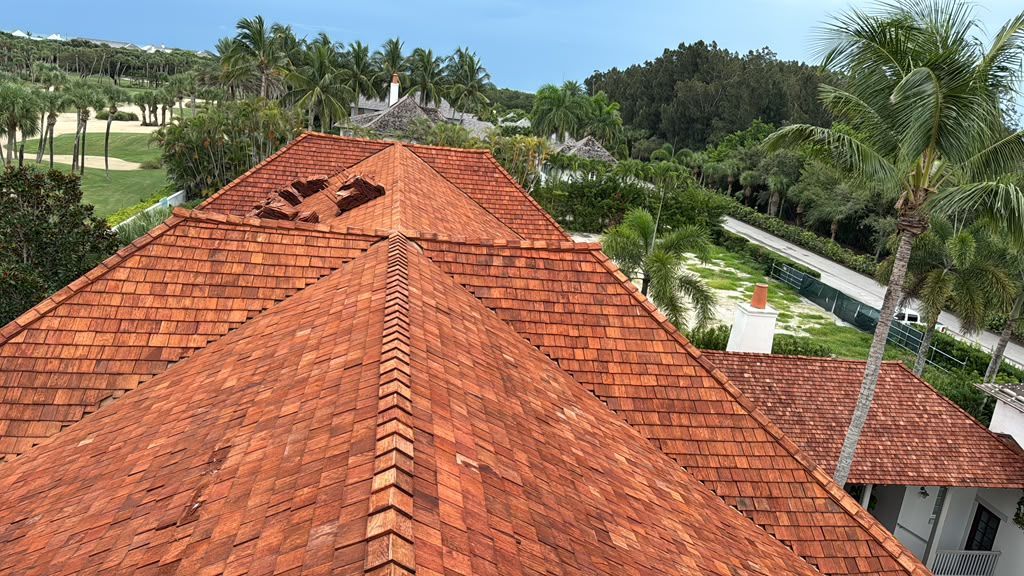
High winds, wind-driven rain and airborne debris can open more than one weak point on a roof. Crosstown Roofing evaluates what changed, identifies where protection was lost and builds the repair or replacement scope the observed damage supports.
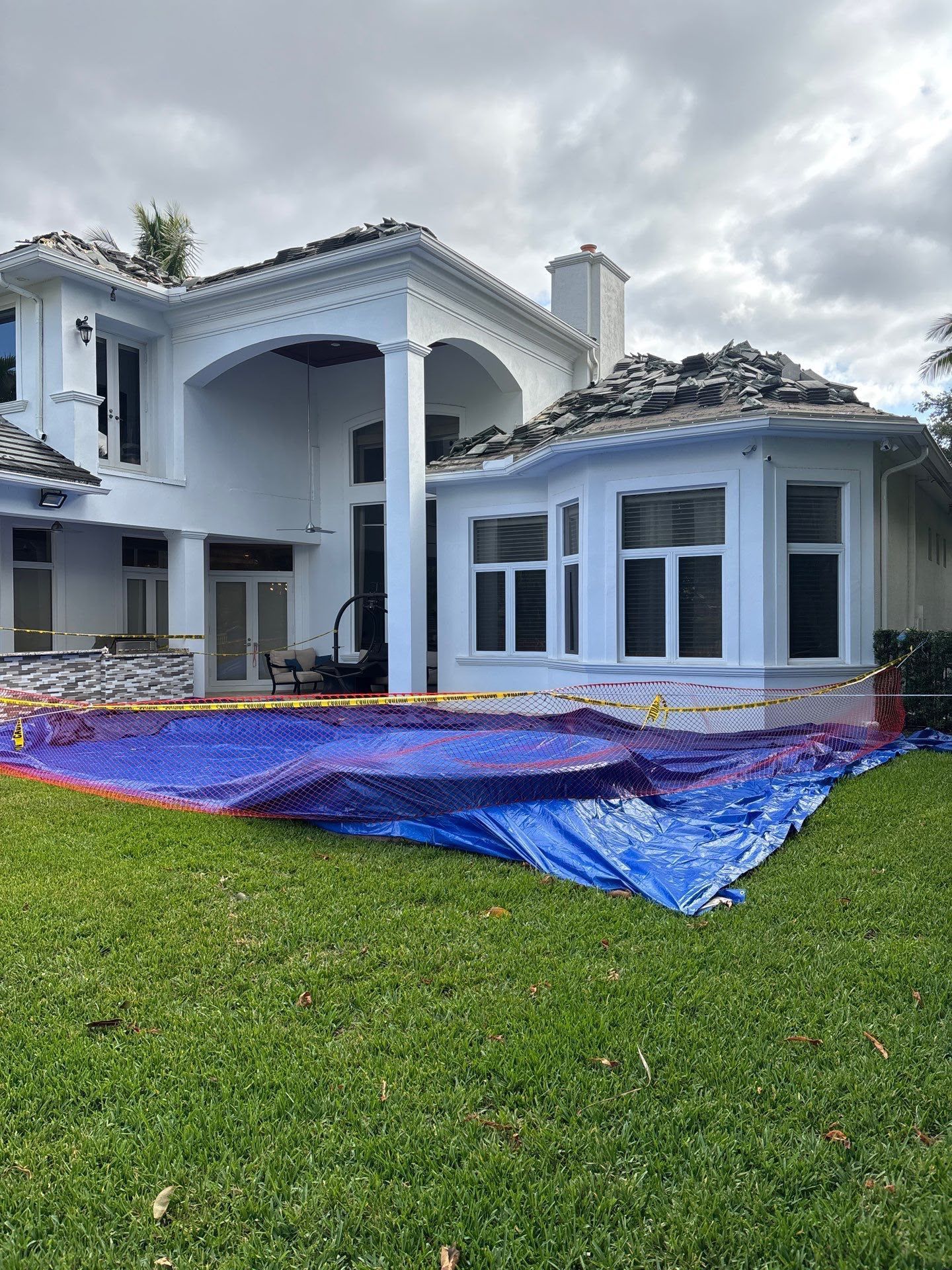
Wind can lift edges, break material bonds, shift tiles, move flashing and expose layers that are difficult to see from the ground. The roof may still look mostly intact while a new water path has already opened below the finished surface.
Crosstown Roofing reviews the event together with the roof: affected elevations, corners, ridges, valleys, penetrations, debris contact and interior moisture. That produces a storm-specific scope instead of a generic recommendation attached to the season.
Separate immediate protection from permanent repair, then record what changed before temporary work or the next storm covers the evidence.
Post-storm roofing has two different jobs: limit additional exposure now and define the permanent work without losing sight of the damage that caused it.
Roof fields, edges, corners, ridges, valleys, walls, flashing and penetrations are reviewed in relation to the wind direction, debris path and interior symptoms reported at the home.
When an opening is admitting water and conditions permit safe access, temporary protection can reduce further exposure until permanent work is scheduled. It is a holding measure, not the finished repair.
Displaced roofing, punctures, damaged metal, failed transitions and moisture-affected supporting layers are addressed as connected parts of the same storm-created opening.
Contained damage may support a focused repair. Broad uplift, multiple impacted sections or a compromised surrounding system can require a larger restoration plan tied to the actual extent found.
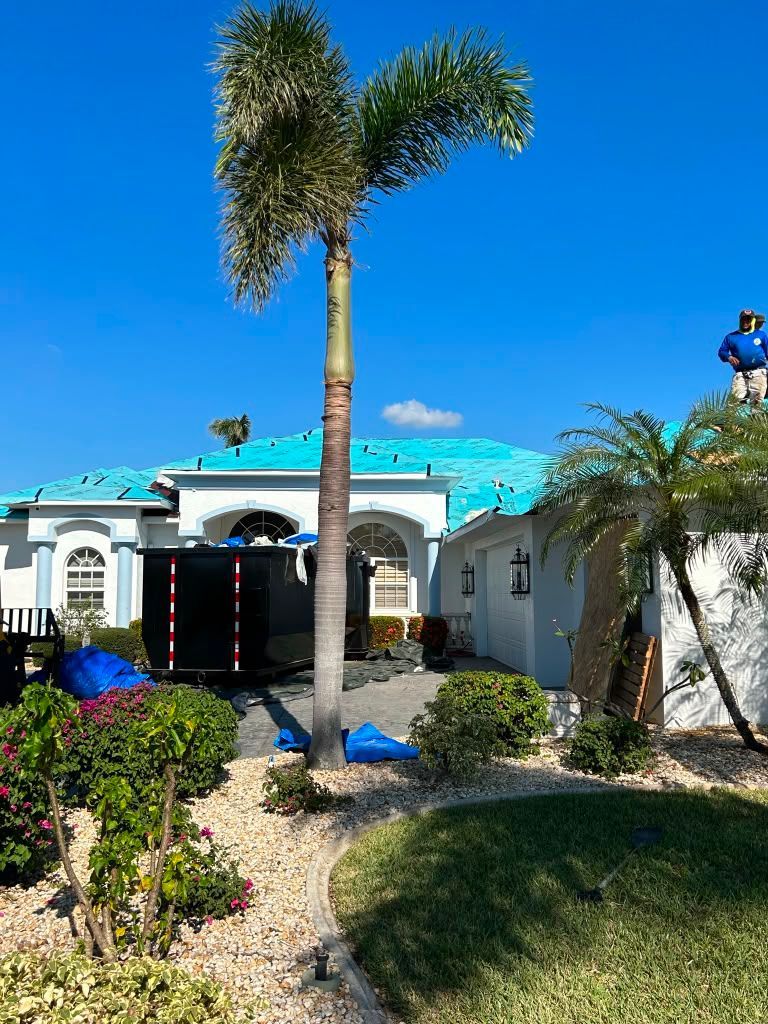
Wind pressure changes as it moves around corners, edges, ridges and changes in roof height. One elevation can take the strongest force while another appears untouched, and debris may create a separate opening farther down the slope.
A useful inspection connects the exterior damage to attic or interior moisture and checks the roofing immediately around each affected detail. Stopping at the first missing piece can leave a second opening ready for the next downpour.
When a homeowner chooses to report storm damage, the roofing contractor's useful role is factual: show the observed roof condition, explain the construction work and price the scope in writing.
Photographs, roof-location notes and a description of visible damage help distinguish the storm-affected areas from unrelated wear or conditions that were already present.
The written estimate should identify labor, materials and the roof components involved, while keeping temporary protection separate from the permanent repair or replacement work.
Photos before and after temporary measures, along with receipts and work descriptions, create a clearer record of what was done to reduce additional exposure before the final scope began.
The next move depends on whether the roof is actively exposed, whether damage is confined and whether the surrounding system can support a durable correction.
A temporary measure may be appropriate when rain can enter before permanent materials, safe working conditions or the final scope are available.
Focused repair can fit when the affected section is clear and the surrounding roofing remains stable enough to tie the new work into it correctly.
Damage across several elevations, extensive material displacement or wet supporting layers may move the project beyond a small repair and into broader restoration.
Storm work moves more cleanly when urgent exposure, documentation and permanent construction are treated as separate steps in one coordinated plan.
The storm date, visible roof changes, interior water and any immediate safety concerns are recorded before the exterior evaluation begins.
Affected roof areas are compared with attic or room-level evidence so the observed damage and water path can be understood together.
Photos, locations and construction notes establish what was observed before temporary or permanent roofing work changes the condition.
Any immediate protection is separated from the final repair or replacement scope so the homeowner can see what each phase is intended to accomplish.
Damaged roof components are repaired or replaced as authorized, then the finished details and surrounding work area are reviewed at closeout.
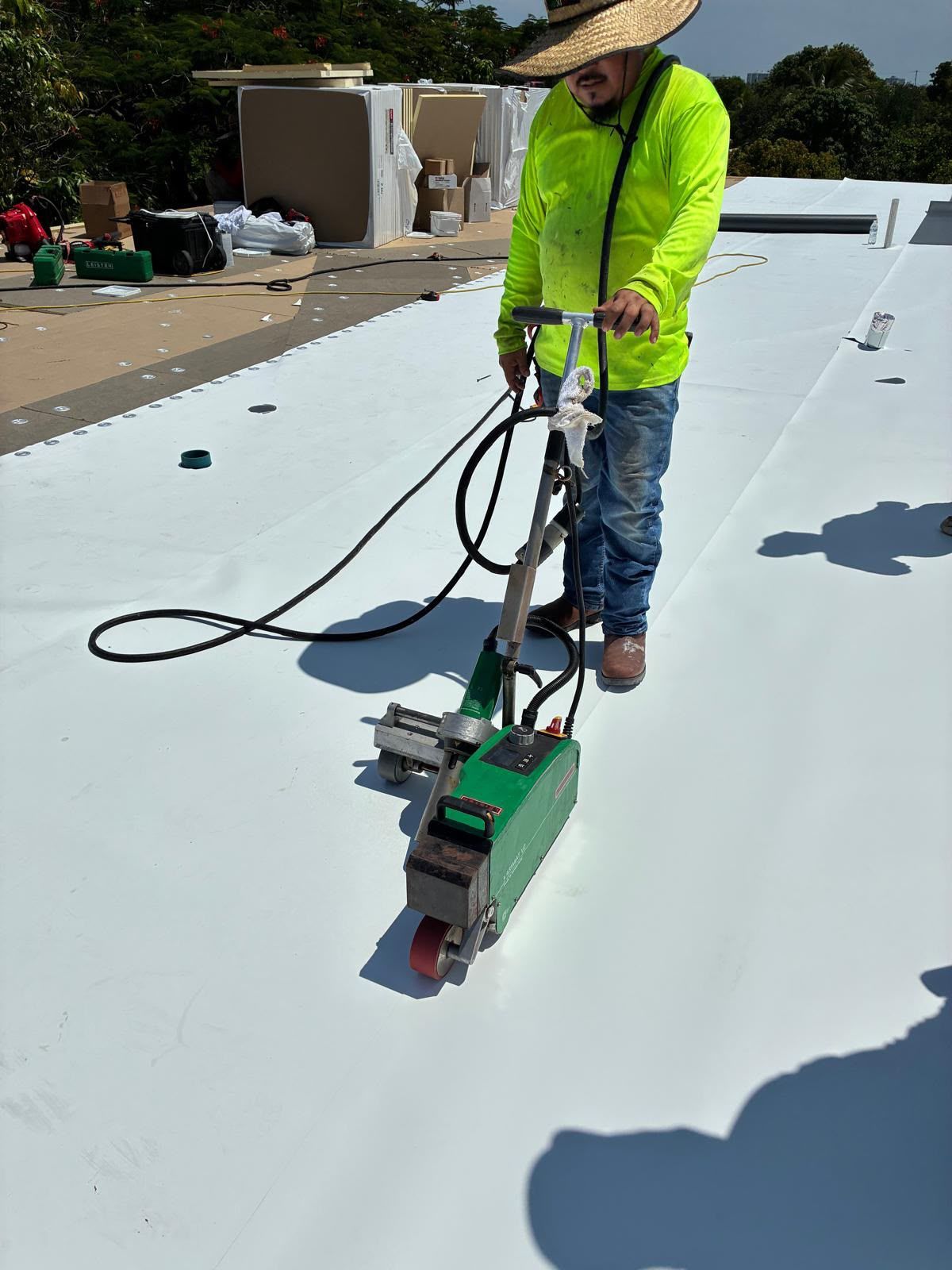
Palm Beach County roofs can move from punishing sun to gusting wind and horizontal rain within a short weather window. A displaced edge or damaged transition from one storm can become an interior leak during the next fast-moving squall.
Crosstown Roofing serves Lantana and surrounding communities with storm-focused roof evaluation, repair planning and construction documentation tied to the conditions observed at each property.
The safest next step is easier to choose once active exposure, roof condition and insurance responsibilities are separated clearly.
Put personal safety first. Avoid wet electrical areas and do not stand beneath a sagging ceiling. Move belongings or contain water only when it is safe, record the visible damage, and arrange roof evaluation or temporary protection without climbing onto the roof yourself.
No. Wet surfaces, loose roofing, hidden punctures and debris can make a post-storm roof unstable or slippery. Ground-level photos and interior observations are useful starting information until the roof can be evaluated safely.
It can when the damage is contained and the surrounding roof can support a durable tie-in. Damage across multiple elevations, extensive uplift or compromised supporting layers may require a broader scope than one localized repair.
The roofing scope can include photographs, observed roof conditions, affected locations and an itemized estimate for the proposed construction work. Crosstown Roofing does not interpret policy coverage, submit the claim for the homeowner or negotiate the insurance settlement.
Ask the insurer about its inspection process and timing, but do not ignore an opening that can allow additional damage. Keep photographs, descriptions and receipts for temporary measures, and avoid disposing of damaged materials before the insurer has had a reasonable opportunity to review them when feasible.
The insurance company evaluates coverage under the specific policy. A roofing contractor can explain the roof condition, repair method and construction cost, but coverage advice and claim decisions belong to the insurer, insurance agent or an appropriately licensed claim professional.
No. Florida requires the insured homeowner to pay any applicable deductible, and a contractor cannot waive or rebate it. Be cautious of any offer that changes the roofing price or gives something of value in exchange for a roof inspection or insurance claim.
Crosstown Roofing is based in Lantana and provides storm damage roof evaluation and repair throughout Palm Beach County. Call 561-221-2980 to describe the event, visible damage and any water entering the home.
Start with the storm date, what changed, where water appeared and a roofing scope based on the damage observed at your Lantana or Palm Beach County home.