Roof Qualification & Moisture Review
The roof type, prior coatings, drainage, soft areas, visible deterioration and interior evidence are reviewed together. Widespread saturation or structural weakness can change the recommendation.
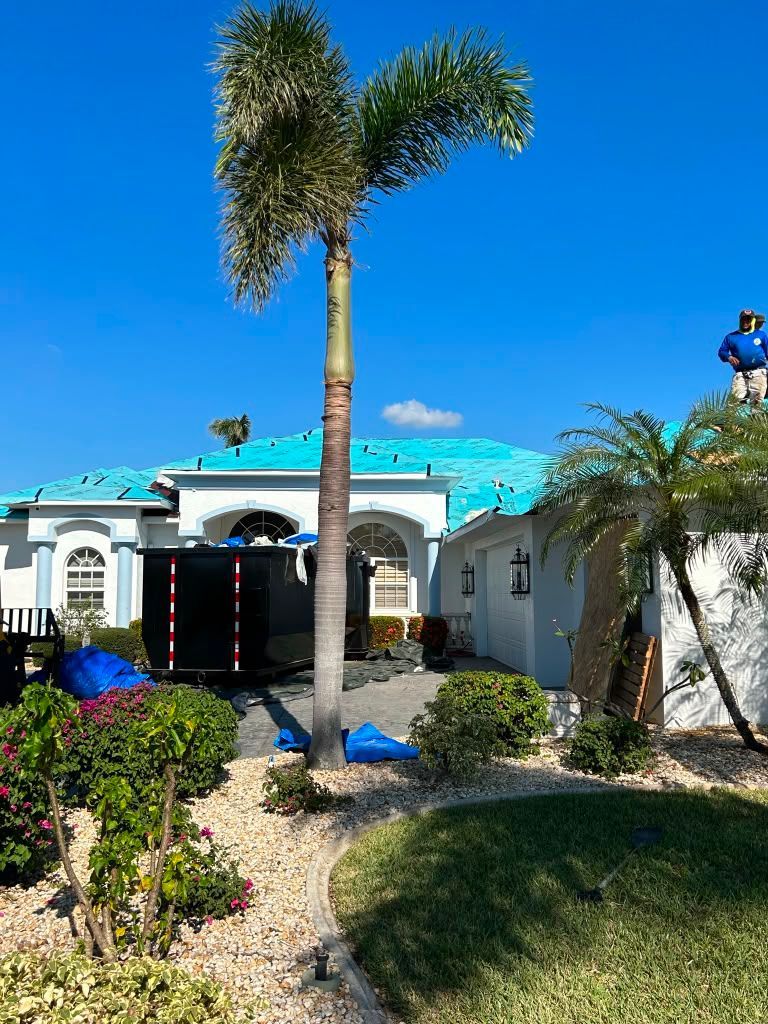
A roof coating can be a practical restoration path for a serviceable commercial roof—but only when the existing assembly, moisture conditions, drainage and surface can support it. Crosstown Roofing evaluates those conditions before recommending a system.
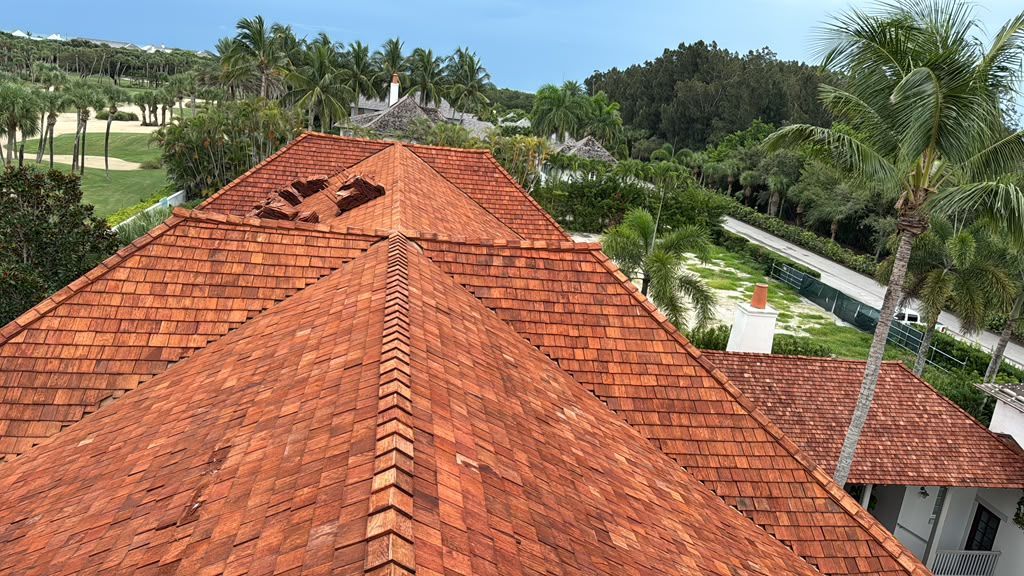
A roof coating is a fluid-applied restoration layer installed over an existing commercial roof. It can renew weathering protection and delay tear-off when the roof beneath it remains a viable base.
That distinction matters. Coating over trapped moisture, loose material, unresolved openings or a contaminated surface does not turn a failing assembly into a sound one. Crosstown Roofing first determines what must be repaired, removed, reinforced or prepared.
The field coating should be the final step in a qualified restoration scope—not the material used to hide defects.
The finished coating is only one part of the work. Qualification, repairs and adhesion control whether the restoration performs as one continuous system.
The roof type, prior coatings, drainage, soft areas, visible deterioration and interior evidence are reviewed together. Widespread saturation or structural weakness can change the recommendation.
Loose seams, punctures, failed flashings, exposed fasteners, curbs, penetrations, drains and edge conditions are corrected with methods compatible with the selected coating system.
Dirt, loose material and surface contaminants are removed. Adhesion checks are completed, and primer is used where the existing substrate and chosen system require it.
The coating is applied across qualified roof areas at the specified coverage. Finished details, continuity, drainage paths and future maintenance needs are reviewed before closeout.
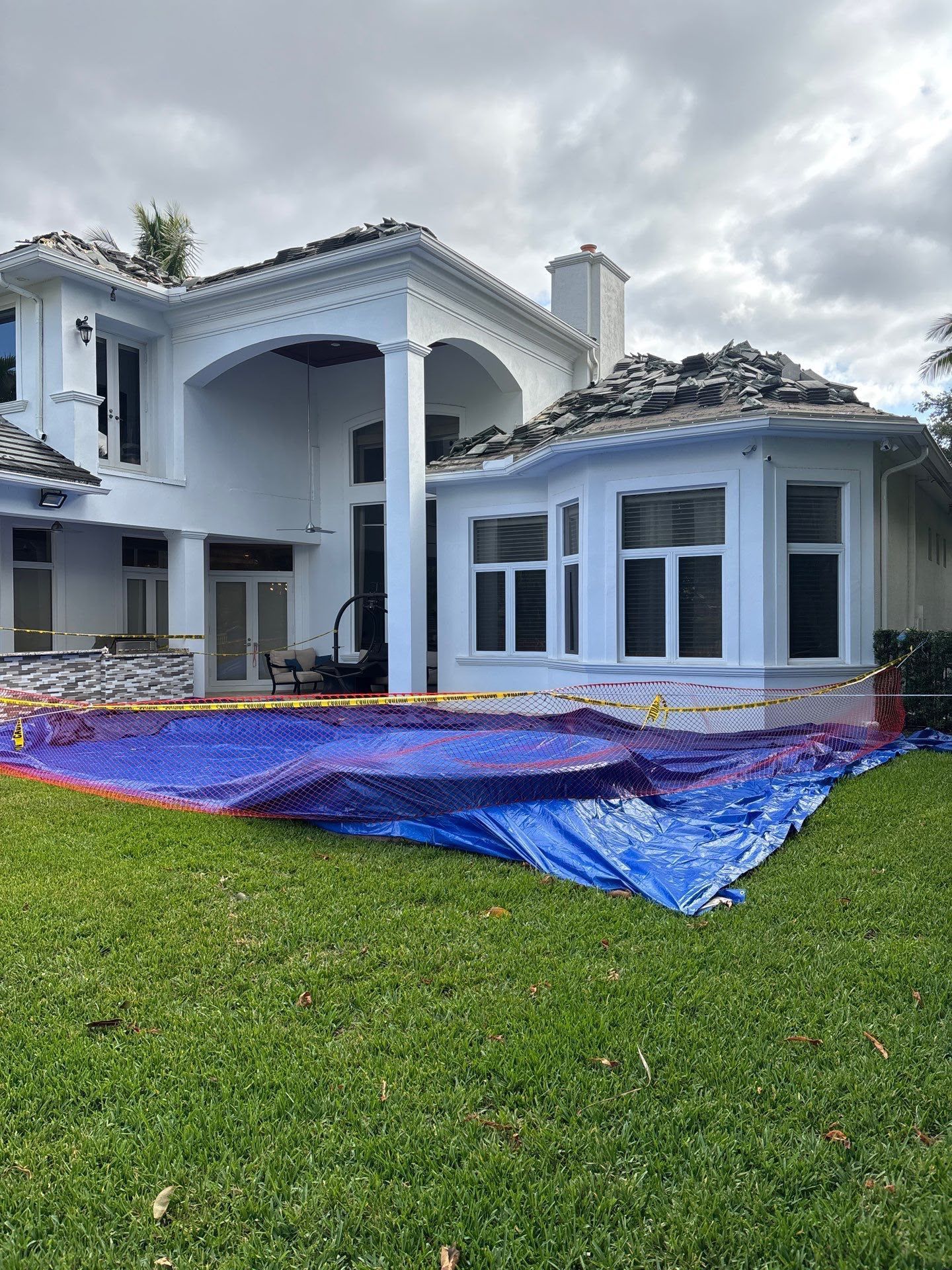
A broad roof surface can look ready while its most stressed details remain open. Seams move, fasteners loosen, curb flashings split and drainage points collect debris or standing water.
Those conditions are treated before the main coating application. The field layer then connects repaired details into a continuous restoration system instead of becoming a thin cover over existing weak points.
A coating recommendation should be based on what remains beneath it. These conditions separate a legitimate restoration candidate from a roof that needs a different scope.
Loose, badly deteriorated or structurally questionable areas cannot be solved by adding a surface layer. The assembly needs enough remaining integrity to receive restoration.
Moisture-saturated insulation or substrate should not be buried beneath a new coating. Affected areas have to be identified and addressed before the roof is closed back in.
The surface must be cleanable, dry enough for application and able to pass the required adhesion checks. Ponding conditions and substrate type also influence the coating chemistry, primer and detail method.
A coating project should move in a controlled order so wet areas, weak details and adhesion problems are found before the field application makes them harder to reach.
Roof material, prior coating history, drainage layout, penetrations, repairs and visible failure patterns are reviewed to establish what the new system has to bond to.
Interior evidence, soft areas, open seams and suspect roof zones are evaluated so saturated or unsound materials can be separated from areas that remain viable.
Defined damage is corrected, and high-movement or high-risk details are rebuilt or reinforced with materials intended to work with the selected coating.
The qualified surface is cleaned and allowed to meet application conditions. Adhesion checks and primer requirements are completed before broad coverage begins.
The coating is placed across the specified roof areas and monitored for continuity and required coverage. Finished details, drainage paths and closeout notes are then reviewed.
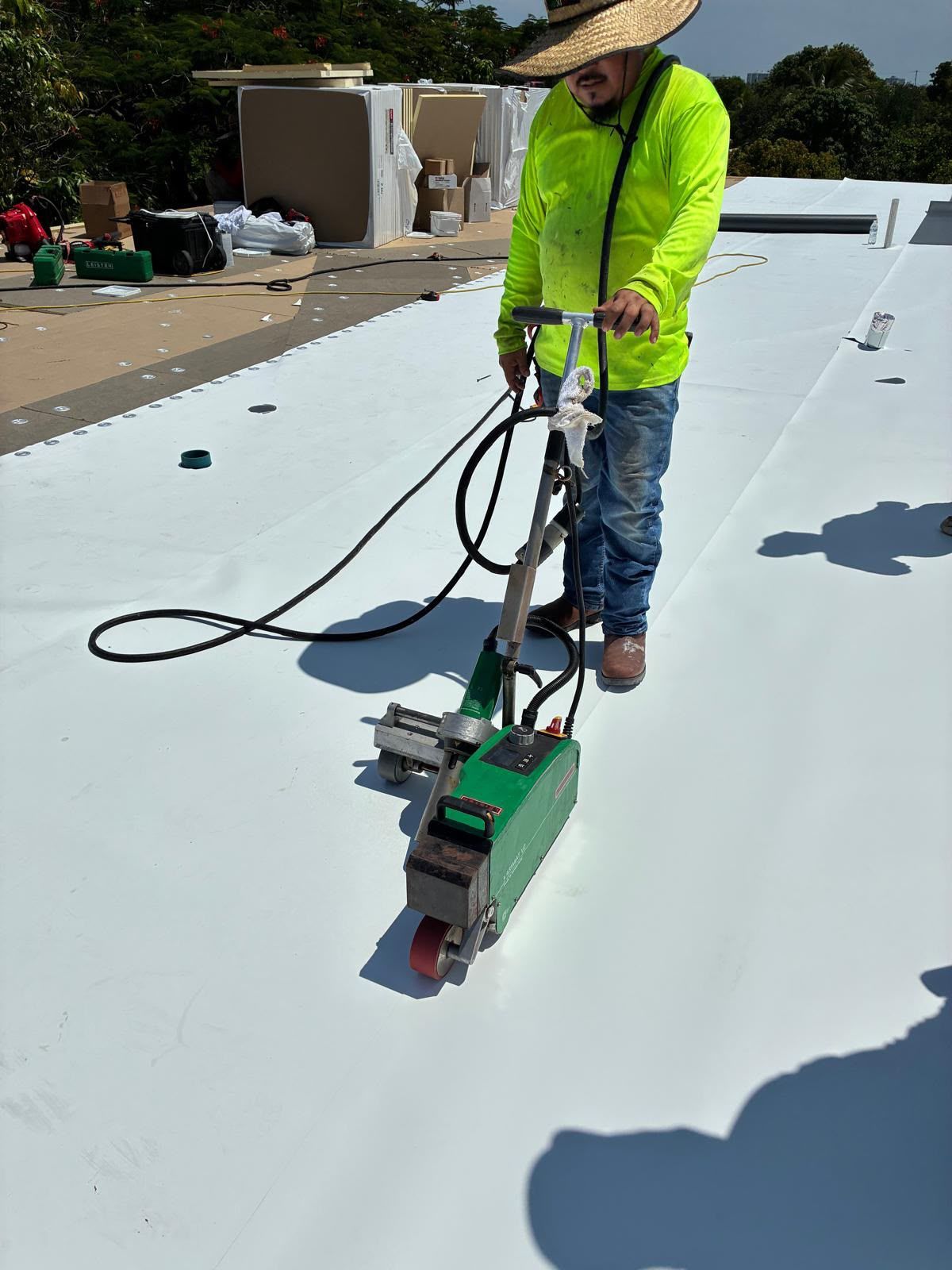
South Florida commercial roofs absorb intense sun through long afternoons, then have to shed fast-moving rainfall. That cycle exposes weathered surfaces and punishes seams, fasteners and transitions that have already lost flexibility or adhesion.
Crosstown Roofing evaluates coating opportunities for commercial properties in Lantana and throughout Palm Beach County, matching the restoration scope to the existing roof, drainage behavior, rooftop equipment and operational access.
The right answer depends on the existing assembly. These are the questions that should be settled before a coating system is specified.
It is a fluid-applied material installed over a prepared roof surface as part of maintenance, repair or restoration. It is thicker and more purpose-built than ordinary paint, but its performance still depends on the condition of the roof beneath it.
The evaluation should review the substrate, attachment, moisture, drainage, previous coatings, repairs, seams and critical details. If wet or structurally unsound conditions are widespread, restoration may not provide a dependable path.
No. Coating preserves and restores a qualified existing assembly. Replacement removes and rebuilds a larger portion of the roof when the current system no longer offers a stable base worth retaining.
The leak path should be traced and its failed detail repaired before the field coating is installed. A coating can be part of the restoration, but it should not be used as a substitute for correcting an open seam, failed flashing, damaged fastener or wet substrate.
Moisture-saturated components should be identified and corrected in the affected areas rather than sealed beneath the new surface. The amount and location of moisture may also determine whether coating remains a practical option.
Depending on the product, condition and preparation requirements, coating systems can be used over many metal, single-ply, asphaltic, spray-foam and previously coated roofs. Substrate compatibility and field adhesion checks should determine the actual fit.
The roof should drain as designed, and persistent standing water deserves its own evaluation. Some coating systems tolerate ponding conditions differently than others, so drainage behavior and manufacturer limitations need to be considered before a product is selected.
No single service-life number applies to every roof. Surface preparation, repairs, substrate condition, coating chemistry, installed coverage, drainage, foot traffic, weather exposure and maintenance all affect how the restored roof performs over time.
Crosstown Roofing is based in Lantana and evaluates commercial roof coating projects throughout Palm Beach County. Call 561-221-2980 to discuss the existing roof, current concerns and next step.
Review the existing surface, moisture concerns, drainage, roof details and access before deciding whether coating, repair or replacement is the practical next step for your property.