Property Roof Assessment
Buildings, roof zones, drainage points, walls, edges, penetrations and reported interior locations are reviewed together to establish where the property is vulnerable and which areas need attention first.


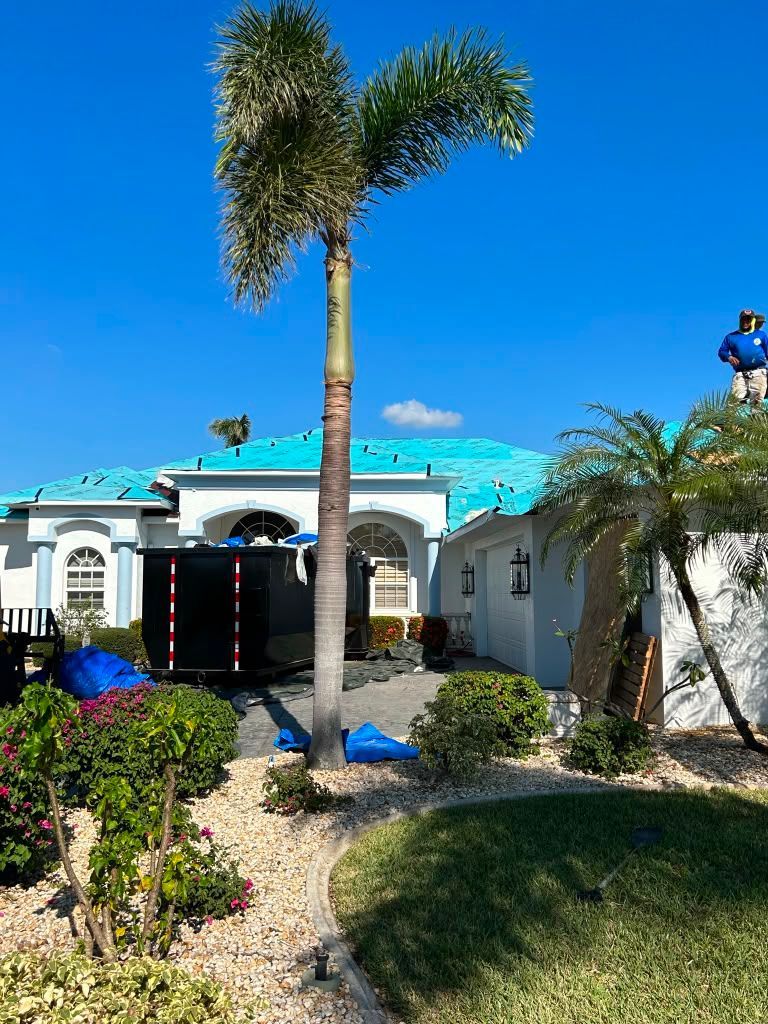
One roof problem can affect several residences, common areas and property operations at the same time. Crosstown Roofing evaluates shared roof systems, organizes priorities by building and develops a practical plan for occupied communities across Palm Beach County.
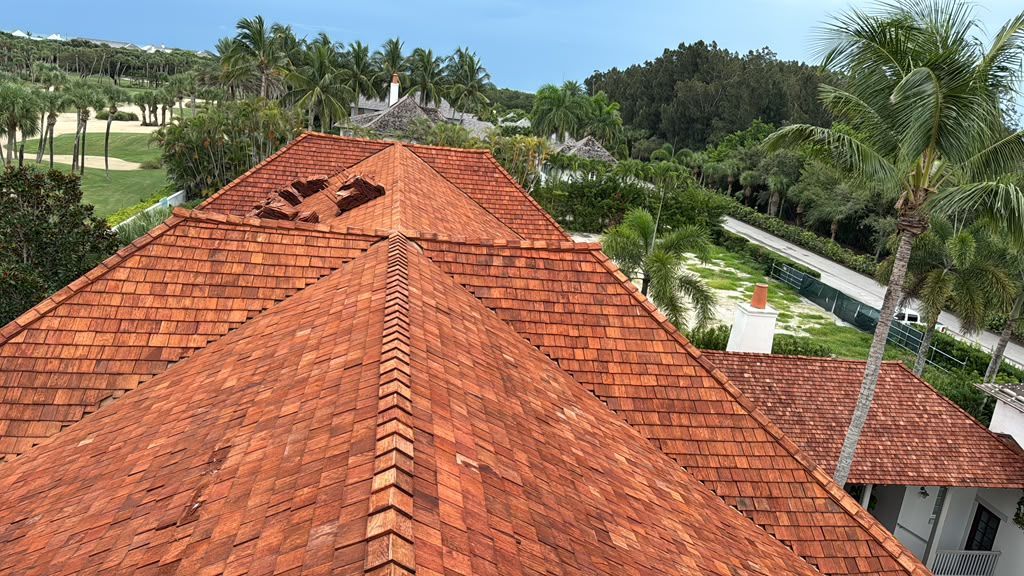
Multi-family roofing is not simply residential roofing at a larger scale. A single assembly may protect several units, shared walls, corridors, stairwells and mechanical areas, so a leak or construction decision can reach far beyond one address.
Many communities combine sloped roof fields with low-slope connectors, breezeways or common-area roofs. Crosstown Roofing compares unit reports with that roof geometry, its drainage paths, flashings, penetrations and previous repairs so the scope addresses the route water is taking—not only the room where it became visible.
A strong multi-family scope identifies the affected buildings, urgent conditions, phasing requirements and resident-facing logistics before roof work begins.
Different buildings may need different answers. The useful plan separates immediate leak control, scheduled repairs and capital work without treating the property as a collection of unrelated roofs.
Buildings, roof zones, drainage points, walls, edges, penetrations and reported interior locations are reviewed together to establish where the property is vulnerable and which areas need attention first.
Defined openings, failed transitions and storm-related damage can be repaired by roof area when the surrounding assembly still provides a serviceable base for focused work.
Replacement can be organized by building, roof section or condition priority so access, staging, weather windows and property budgets are addressed within one coordinated program.
Drainage, debris, sealants, seams, penetrations and prior repair areas can be tracked by building so developing conditions are easier to compare before the next interior complaint.
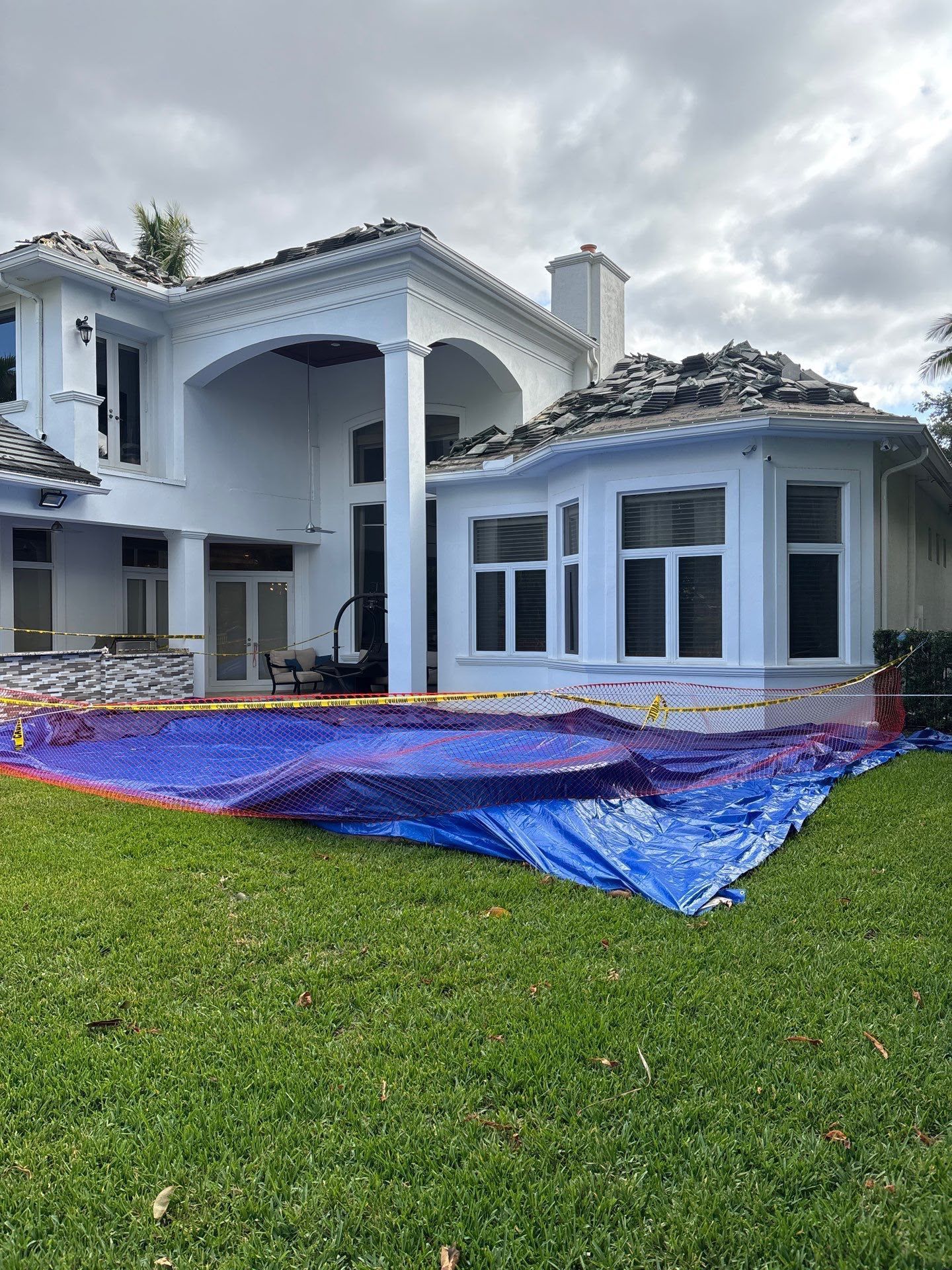
Multi-family properties do not stop operating when roofing begins. Residents may be home during the day, vehicles fill the site, delivery routes remain active and shared entrances still need to function.
The work plan should define which buildings are active, where crews and materials move, how debris is controlled, when noisy work occurs and how exposed areas are secured before daily shutdown. Clear coordination reduces avoidable disruption without weakening the roofing sequence.
Several ceiling stains do not always mean several unrelated failures. Mapping the reports against the roof layout can reveal one shared detail, drainage path or repeated construction condition.
Unit numbers, room locations, rain timing, recurrence and photographs help connect interior evidence to the correct roof zone instead of sending repairs toward the nearest visible stain.
Water can enter above or beside the reported location, then move along decking, framing or insulation before appearing inside. The route matters as much as the opening.
Separate patches around the same wall, drain, transition or penetration may point to a detail that was never rebuilt as a complete water-control condition.
A property-wide process turns scattered work orders, resident reports and roof concerns into a sequence that owners, boards and managers can evaluate.
Property maps, unit locations, dates, photographs, prior invoices and recurring weather patterns create the starting record for the roof evaluation.
Each affected building is reviewed for field conditions, transitions, drains, edges, penetrations and roof areas that correspond with the interior reports.
Active water-entry points and rapidly worsening defects are separated from maintenance items, monitored conditions and larger replacement needs.
The sequence accounts for building order, resident communication, parking, deliveries, material staging, weather exposure and daily shutdown conditions.
Finished roof areas, addressed details, outstanding observations and future priorities are organized by building so the property team has a usable record after crews leave.
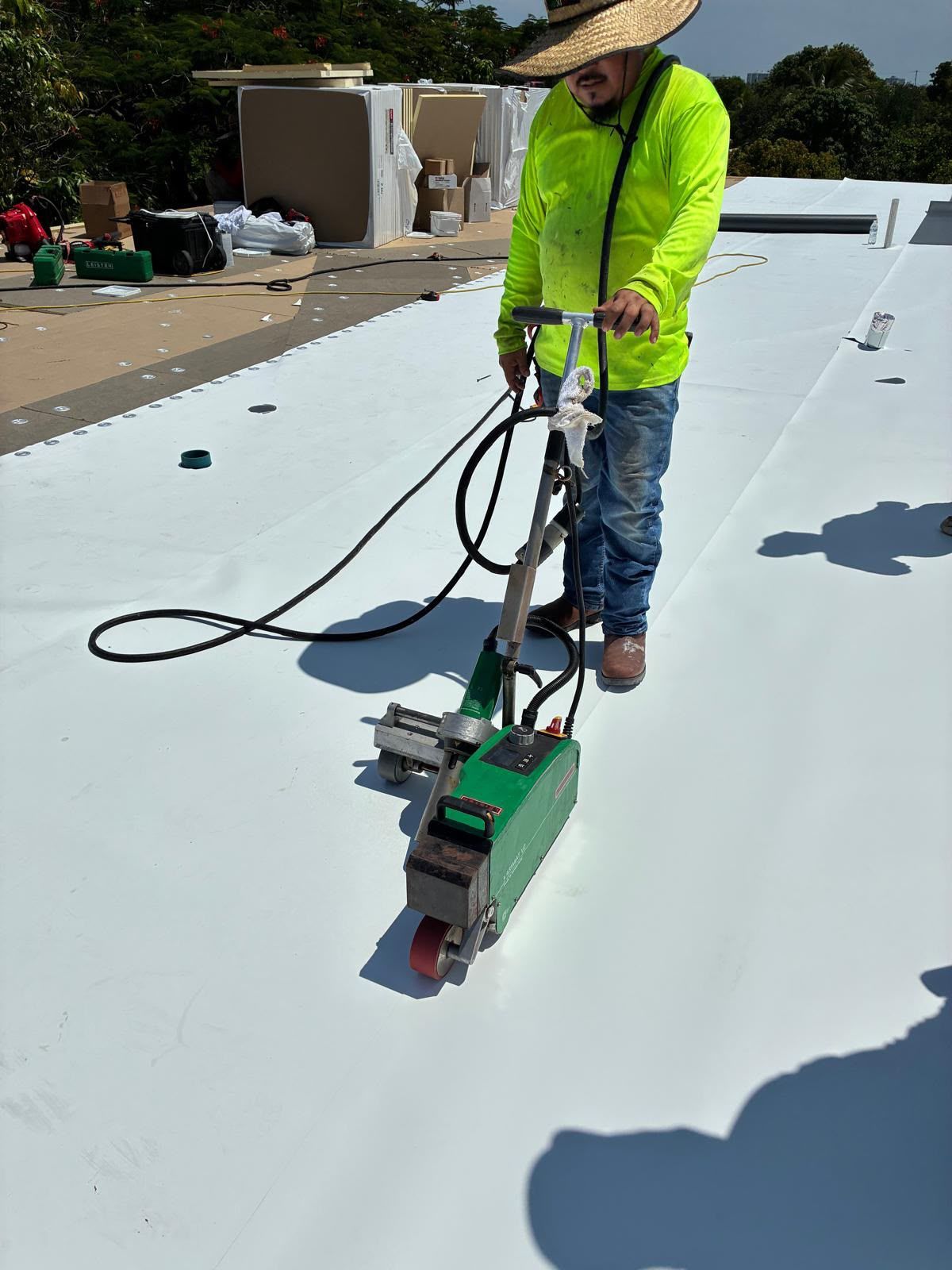
Multi-family roofs in Palm Beach County face intense sun, humid conditions, sudden downpours and wind-driven rain across large, connected roof areas. Repeated building designs can also repeat the same vulnerable flashing, drainage or penetration detail from one structure to the next.
Crosstown Roofing serves apartment, condominium and townhome properties from Lantana throughout surrounding communities, with each scope organized around roof condition, building count, occupancy and property access.
The right scope becomes clearer when unit reports, roof conditions, building priorities and site logistics are reviewed together.
The investigation starts with the unit, room, timing and visible water path, then compares that information with roof geometry above and around the area. Walls, valleys, drains, penetrations and adjoining roof sections may sit away from the ceiling stain but still feed the same leak route.
Yes, when the roof conditions and project requirements support phasing. The sequence can be organized by active leaks, overall deterioration, building access, material staging and budget priorities, while urgent openings are kept separate from work that can be scheduled deliberately.
No. Buildings may share a design while having different exposure, repair histories, drainage performance or roof age. Each building should be evaluated on its own condition before the results are rolled into a property-wide plan.
The work plan should map active buildings, access points, parking restrictions, delivery routes, material locations, debris movement and daily work hours. Residents and on-site teams need clear notice about the areas affected and the practical changes expected during each phase.
Repair may fit when a defect is defined and the surrounding roof remains serviceable. Replacement becomes more practical when failures are spread across a building, moisture or repairs keep returning, or the existing assembly cannot provide a dependable base for localized work.
A site map, building numbers, affected unit locations, photographs, dates of reported leaks, prior repair invoices and known roof ages can help reveal patterns. Records do not replace a roof inspection, but they make the field review more focused and the final scope easier to organize.
Maintenance can expose blocked drainage, deteriorating sealants, open seams, damaged penetrations and changes around past repairs before those conditions become obvious inside. It cannot prevent every failure, but it gives the property team better visibility into developing roof issues.
Crosstown Roofing is based in Lantana and serves apartment, condominium and townhome properties throughout Palm Beach County. Call 561-221-2980 to discuss the buildings, current roof concerns and the next practical step.
Discuss the affected buildings, unit leak reports, roof condition and scheduling requirements for an apartment, condominium or townhome property in Lantana or elsewhere in Palm Beach County.